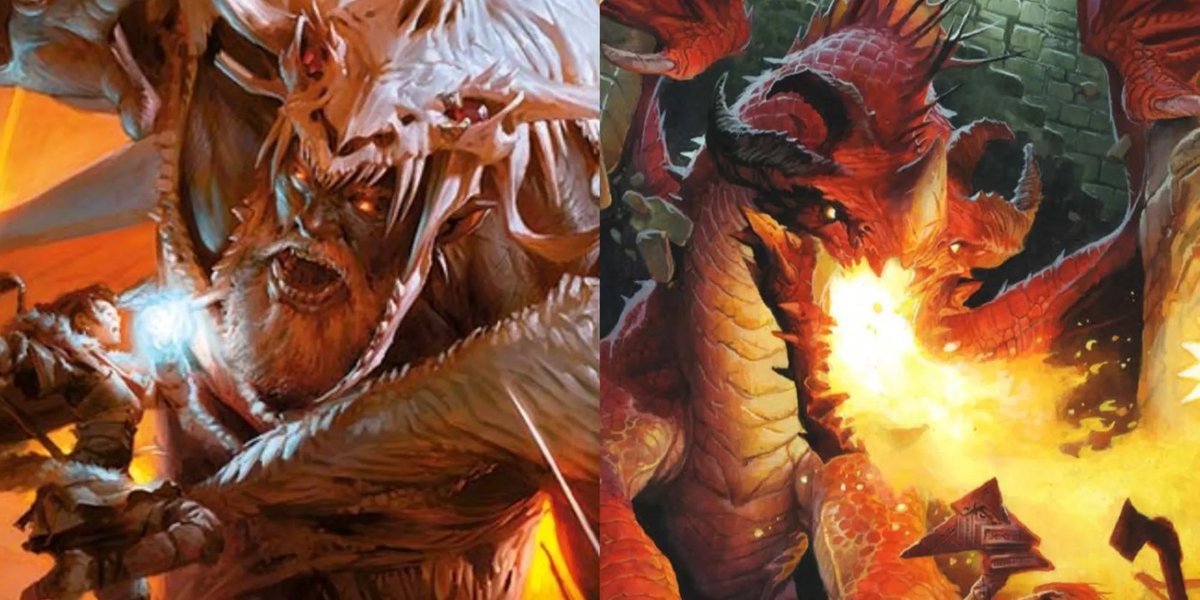
Running a truly captivating tabletop RPG campaign—whether it's the sprawling high fantasy of Dungeons & Dragons 5th Edition or the intricate tactical challenges of Pathfinder—hinges on more than just compelling plotlines. It thrives on the vibrant tapestry of non-player characters (NPCs) your players encounter. Forgettable NPCs lead to forgettable sessions; memorable ones, however, breathe life into your world, turning simple encounters into enduring campaign moments. This guide dives deep into System-Specific NPC Generation Guides (e.g., D&D 5e, Pathfinder), equipping you with the strategies, tools, and mindset to create characters that resonate long after the dice stop rolling.
At a Glance: Crafting Unforgettable NPCs
- Beyond Stats: Personality, motivation, and dilemmas are more crucial than raw numbers for engaging players.
- Four Elements of Depth: Give every NPC a Motivation, Dilemma, Threat, and Personal Hooks.
- System-Neutral Core: Start with personality and story before tailoring to specific game mechanics.
- Leverage Generators: Utilize tools like Donjon, DnD NPC Generator 5e, CharGen, and Inworld AI for quick inspiration and detailed builds.
- The 3-Line Method: A quick-prep technique for on-the-fly NPCs: Appearance, Portrayal, Hook.
- Memorable Touches: Quirks, environment ties, visual aids, and unique voices make NPCs stick.
- System Smarts: Integrate mechanical details for D&D/Pathfinder; simplify for narrative-first games.
- Advanced Techniques: Relationship mapping, random tables, and tracking evolution deepen your world.
- Digital & AI Aids: Character management software and AI tools can streamline creation and brainstorming.
Breathing Life into Your World: Why NPCs Matter
The difference between a generic innkeeper and one whose gruff exterior hides a secret sorrow, or a bandit chief who's a ruthless thug versus a charismatic leader fighting for a lost cause, is the difference between a passable game and an unforgettable adventure. NPCs are the world's voice, its moral compass, its challenges, and its rewards. They provide context, drive plot, and most importantly, give your player characters (PCs) someone to interact with beyond just combat.
Effective NPC creation isn't about perfectly balanced stat blocks (though we'll get to those for systems like D&D 5e and Pathfinder). It's about infusing them with the spark of life—making them feel like real people with their own wants, needs, and secrets, independent of the player characters' immediate needs.
The Foundational Elements of a Living Character
Before you even think about armor class or skill proficiencies, focus on the human (or elven, or dwarven) element. What makes this character distinct?
- Personality & Mannerisms: Do they fidget? Do they speak with a particular cadence? Are they overly polite or suspiciously quiet? These small details are often what players remember most.
- Core Traits: Are they brave? Cunning? Naive? A few adjectives can paint a vivid picture.
- Specific Physical Details: Instead of "a traveler," consider "a traveler whose worn leather armor smells faintly of salt and dried seaweed, and whose hands are calloused from years of gripping oars." These sensory hooks engage players immediately.
The Four Pillars of True Character Depth
To move beyond cardboard cutouts, every significant NPC needs a foundational framework. These four elements ensure your character feels real and offers organic ways for players to engage.
- Motivation: What does this NPC want? This is their driving force. Maybe the local innkeeper is saving every copper to finally buy the establishment she's always dreamed of owning, or perhaps a grizzled veteran yearns for a peaceful retirement.
- Dilemma: What conflict or problem stands between the NPC and their motivation? Our innkeeper might be struggling because her daughter has fallen in with a local thieves' guild, siphoning off her meager earnings. The veteran might be haunted by past deeds, unable to find peace.
- Threat: What specific danger is related to their motivation or dilemma? For the innkeeper, the guild master might know about her savings and threaten to expose her daughter unless she cooperates. For the veteran, old enemies might be resurfacing.
- Personal Hooks: How can the players connect with this NPC? This isn't about forcing the plot, but about creating natural touchpoints. The innkeeper's daughter could be a potential quest giver, her business struggles might pique a mercantile PC's interest, or her unwilling association with the underworld could lead to valuable intelligence.
Crucially, these goals should exist independent of the player characters. This makes your world feel alive, as if things are happening even when the PCs aren't around. The players are simply interacting with a small part of a larger, ongoing story.
Your NPC Toolkit: System-Agnostic Foundations for Success
Before you dive into the specifics of D&D 5e or Pathfinder, having a system-neutral approach to building and tracking your characters will save you countless hours and ensure continuity.
The Essential NPC Profile Template
Create a simple template (digital or physical) for every NPC you generate. It doesn't need to be complex, but it should cover the essentials:
- Name: (Self-explanatory!)
- Core Trait: A single word or short phrase that defines them (e.g., "Grumpy but kind," "Ambitious schemer").
- Appearance: Key visual details (e.g., "Missing an eye," "Always wears a flower in her hair").
- Mannerisms/Voice: How do they move, speak, or react? (e.g., "Twitches nose," "Speaks in riddles").
- Motivation: What do they want?
- Dilemma/Threat: Their primary conflict.
- Hooks for PCs: How can players engage?
- Relationships: Key connections to other NPCs or factions.
- Development Notes: A section to track changes.
Tracking Evolution: Continuity is King
NPCs, especially important ones, should evolve. Their opinions might change based on PC actions, their circumstances might shift, or new information might come to light. Keep simple notes—a spreadsheet, index cards, or a dedicated journal—to track:
- Player Actions: What did the PCs do or say to this NPC?
- Date/Session: When did this interaction occur?
- NPC's Reaction/New Attitude: How did the NPC's disposition or goals change?
This ensures your world feels responsive and prevents jarring inconsistencies between sessions.
Unleash the Power of System-Specific Tools and Generators
When you need an NPC now, or simply want a burst of inspiration, generators are your best friend. They can provide everything from a quick name and quirk to a full stat block tailored for your system. And for those times when you need to Generate NPCs for your game quickly, these tools are indispensable.
Top-Tier NPC Generators for D&D 5e, Pathfinder, and Beyond
Here's a breakdown of some of the most useful tools, organized by their strengths:
For Quick Fantasy Inspiration & Depth:
- Donjon NPC Generator: A venerable and reliable free tool, particularly strong for fantasy settings. It generates names, basic stats, personality traits, and even plot hooks. Perfect for when you need a generic guard or shopkeeper who might become more.
- DnD NPC Generator 5e: As the name suggests, this one specializes in D&D 5e. It provides detailed builds including backgrounds, personality traits, ideals, bonds, and flaws, aligning perfectly with 5e's character creation philosophy. You can often tailor generation by race, gender, alignment, and occupation, and it often suggests plot hooks.
- Kassoon NPC Generator: This powerhouse excels at generating rich backstories and complete stat blocks for various D&D editions (3e, 5e, 2024) and Pathfinder. You'll get physical traits, personalities, histories, motivations, suggested voice accents, occupation details, and comprehensive stat blocks including attributes, combat stats, skills, and spells. It even features batch creation and permalinks for your favorite creations. They also offer an "Exotic NPC Generator" as a premium subscription for even more unique characters.
For Dynamic & Interactive Characters (Often AI-Powered):
- Inworld AI NPC Generator: This tool offers dynamic, interactive NPCs compatible with D&D 5e, Pathfinder, and even system-neutral settings. You can deeply customize characters via Inworld Studio, use pre-built D&D Character Creator and GM assistant features, and even engage in RPG adventure chats. While applicable for video game development, its TTRPG utility for GMs is significant for creating reactive, AI-driven personalities.
- CharGen: A versatile option for D&D 5e and Pathfinder, covering both NPCs and monsters. It offers instant creation, freetext refinement (letting you describe what you want), and a Stat Block Generator by Challenge Rating (CR) for balanced encounters. Beyond character mechanics, it integrates campaign asset management and uses advanced AI models (like SDXL, DALL-E 3, Flux, Stable Diffusion) to generate AI art for your characters. It has a free plan (10 daily generations) and paid tiers for more intensive use.
- Kobold AI: Focusing heavily on narrative, Kobold AI crafts detailed backstories and plot hooks. Its Roleplay Character Creator allows for extensive customization. Utilizing machine learning, it generates traits, backgrounds, and motivations that can spark entire adventures. KoboldAI Lite offers a simpler interface, while advanced settings cater to seasoned users who want more control over the AI's output.
For Visuals and Worldbuilding Integration:
- Artbreeder: While not a stat generator, Artbreeder is an invaluable visual tool for creating NPC portraits. Using a slider system, you can manipulate traits like gender, age, skin tone, and emotions. It supports various artistic styles, is community-driven, and produces high-resolution output. The ability to blend and evolve images means you can create truly unique faces for your most important characters.
- World Anvil: This isn't just an NPC generator; it's a comprehensive worldbuilding platform that integrates NPC creation seamlessly. With World Anvil, you can connect your characters to your world's lore, locations, storylines, timelines, relationships, and even family trees. It offers genre flexibility, cultural/tech/societal tuning, visual organization (maps, charts), and collaborative features, making it a powerful tool for tracking complex NPC evolutions over time.
For Mechanical Precision:
- Dungeon Scribe: This tool focuses on creating NPCs that are mechanically aligned with specific TTRPG systems, such as D&D 5e. It provides detailed attributes, ensures compatibility with major systems, and often includes suggested quest hooks or storylines to integrate the mechanically generated NPC into your campaign.
A quick note: Watabou's Procgen Arcana, while an excellent tool, focuses on generating intricate, procedural maps for realms, cities, caves, and dungeons. It does not generate NPCs directly.
Using Generators Effectively: The "Why" Behind the "What"
Generators are fantastic starting points, but don't just copy-paste. Always ask yourself: "Why does this NPC have this trait?"
- Example: A generator gives you "a greedy merchant with a nervous tic."
- Ask "Why": Why are they greedy? Because their family was ruined by a rival and they're desperate to rebuild their fortune. Why the nervous tic? Perhaps it's a lingering habit from their impoverished childhood, always worried about losing everything again.
Adding that "why" immediately turns a generic character into someone with internal conflict and potential for player engagement. For instance, a quick fantasy name generator combined with one physical quirk ("Olag the Stout, who always polishes his belt buckle") can give you a table-ready NPC in seconds.
The 3-Line NPC Method: Your Improv Playbook
Sometimes, you need an NPC right now. A random encounter, a sudden player detour, or a minor character to deliver a clue. This is where the "3-Line NPC" shines. Keep index cards handy, and jot down these three quick points:
- Appearance: What do they look like? (e.g., "Elderly gnome woman, crooked nose, hands gnarled like roots")
- Portrayal: How do they act or speak? (e.g., "Speaks slowly, squints suspiciously, keeps one hand on a worn staff")
- Hook: How can they engage the players? (e.g., "Knows a secret route through the Whispering Woods, but distrusts outsiders")
This method provides just enough detail to portray a distinct character immediately. If players show interest, you can then expand on their depth, adding motivations, fears, and secrets from your existing notes or on the fly.
Crafting Unforgettable Encounters: Beyond the Stat Block
Even with a full stat block, an NPC remains flat without memorable elements. These techniques infuse personality that players will recall for sessions to come.
- Quirks: The Spice of Life: A distinctive verbal or physical affectation can make an NPC instantly recognizable. Maybe they constantly polish the same tarnished glass, snap their fingers when thinking, or speak exclusively in rhyming couplets. The key is consistency.
- Environment Integration: They Belong Here: Tie your NPCs to their surroundings. An herbalist's shop might smell of competing medicinal scents, and the herbalist herself might have dried herbs tucked into her apron. A scholar might be perpetually surrounded by teetering stacks of ancient tomes. This grounds them in your world.
- Visual Aids: Beyond Words: If you have an image, show it! Even a simple hat, a unique scarf, or a distinctive trinket described clearly can serve as a visual aid for player recognition. Artbreeder can be a huge help here.
- Voice & Speech Patterns: Aural Signatures: Don't feel pressured to do professional voice acting, but consistency in how an NPC speaks is powerful. Does the merchant always use commercial metaphors? Does the guard speak in clipped, efficient sentences? Does the mage use overly complex vocabulary to seem smarter? A distinctive voice doesn't mean a perfect accent; it means a unique rhythm or choice of words.
NPCs Across the Multiverse: System-Specific Approaches
While the core principles of character depth are universal, how you mechanically integrate your NPCs varies significantly between TTRPG systems.
D&D and Pathfinder: The Mechanics Matter
These systems thrive on mechanical integration. For important NPCs—villains, mentors, recurring allies, major quest givers—you'll want full stat blocks.
- D&D 5e: The Monster Manual provides numerous templates for humanoids (thugs, cultists, veterans, mages) that you can easily reskin. Chapter 4 of the Dungeon Master's Guide also offers guidelines for creating custom monsters and NPCs. Don't forget the power of backgrounds (from the Player's Handbook) to quickly establish personality, ideals, bonds, and flaws for your NPCs, making them feel more like actual characters.
- Pathfinder: With its more granular mechanics (whether 1st or 2nd Edition), detailed stat blocks are often more critical. Pathfinder's bestiaries offer a wealth of humanoid archetypes. Tools like CharGen and Kassoon NPC Generator are particularly useful here, as they can generate comprehensive stat blocks aligned with Pathfinder's rules, including feats, skills, and special abilities. For truly unique NPCs, you might adapt a PC class build or use specific archetypes and templates from sourcebooks.
For minor characters, a name, race, occupation, and one key personality trait might be enough, maybe with just a few core stats (e.g., AC 12, HP 10, Str 10, Dex 10). Not every farmer needs a full character sheet.
Narrative-Forward Systems (e.g., Savage Worlds, FATE)
In systems where narrative takes precedence over granular mechanics, statistics are often simplified. You might only need a few core attributes, skills, and possibly a single special ability or two. The focus remains heavily on the NPC's personality, motivations, and how they contribute to the story.
All-Ages Gaming
When running games for younger players, focus on clear, archetypal motivations. Who is the hero? Who is the villain? Who is the helpful sidekick? Keep the quirks fun and exaggerated, and ensure their goals are easy to understand. The complexity can grow with the players.
Elevate Your Game: Advanced NPC Crafting
For GMs looking to add layers of complexity and intrigue to their campaigns, these techniques can transform a static world into a dynamic, living narrative.
Relationship Mapping: The Web of Connections
Especially potent for urban adventures or political intrigue campaigns, relationship mapping involves visually charting the connections between your NPCs. Who owes whom a favor? Who is secretly in love with whom? Who holds a damaging secret over another?
- Use sticky notes, a whiteboard, or digital tools like World Anvil or Kanka to draw lines between characters, labeling the nature of their relationship (e.g., "rivals," "debt owed," "family tie," "secret lover," "under their thumb").
- This instantly creates plot hooks and ensures that player actions affecting one NPC can ripple through your entire network.
Random Tables: Instant Personality & Plot
Don't underestimate the power of a well-curated random table. Keep tables of quirks, mannerisms, motivations, secrets, or even unexpected reactions.
- Resources: Books like the Universal NPC Emulator or the D30 Sandbox Companion offer fantastic generic tables.
- Customization: Create your own tables tailored to your specific campaign world, its cultures, and its prevailing conflicts. A "D12 Table of Grudges in the Iron Hills" will be far more evocative than a generic one. Roll a few dice, combine the results, and watch a new personality emerge.
Encounter Modules: Flexible Characters for Any Situation
Design flexible NPCs that can serve multiple purposes. This saves prep time. An NPC might be:
- Social Context: A charming rogue who provides information.
- Combat Context: A skilled duelist who challenges a PC.
- Exploration Context: A wilderness guide with crucial knowledge.
By having a character concept that can shift roles, you're always prepared. Maybe the charming rogue is the skilled duelist, and the players just haven't pushed them to that point yet.
NPC Evolution: The Living Story
The most important NPCs shouldn't remain static. Their goals, relationships, and knowledge about the player party should change based on campaign events. If the PCs save a village, the village elder's trust in them should deepen. If they betray a faction, their contact within that faction might become hostile. Track these changes in your NPC profiles to maintain a dynamic and believable world.
The Modern GM's Arsenal: Digital Tools & AI
Modern technology offers powerful ways to streamline NPC generation and management.
Character Management Software
Platforms like World Anvil, Obsidian Portal, and Kanka are invaluable for detailed NPC profiles. They allow you to:
- Track Relationships: Link characters to each other and to locations.
- Timeline Integration: See how an NPC fits into your campaign's history.
- Cross-Referencing & Tagging: Easily find characters by trait, location, or allegiance.
- Cloud-Based Access: Keep your notes accessible from anywhere.
These tools are particularly useful for long-running campaigns with complex casts.
AI-Powered Generation: A Brainstorming Partner
Large Language Models (LLMs) like ChatGPT, Claude, and Inworld can be powerful brainstorming partners. You can prompt them to:
- Generate personalities, backstories, and motivations based on simple keywords.
- Suggest dialogue snippets or catchphrases.
- Develop potential plot hooks involving the NPC.
Important Caveat: Treat AI output as a starting point, not a finished product. AI often generates generic or contradictory information. Your human touch is essential to refine, personalize, and integrate the AI's ideas into your unique campaign. Use it to overcome writer's block, not to replace your creative input.
Learning from Other Worlds: LitRPG & CRPG Insights
We can glean valuable lessons from other forms of interactive storytelling:
- LitRPG (e.g., Dungeon Crawler Carl): This genre often features NPCs with incredibly distinctive dialogue, clear motivations, and immediate conflicts that make them memorable even with limited screen time. Their interactions often force player choices with tangible consequences.
- CRPGs (e.g., Solasta, Disco Elysium): These games excel at creating NPCs with unexpected depth, competing motivations, and personalities that shape the player's experience. Consider how "hub NPCs" (characters who offer recurring quests or serve as central points of contact) function to maintain ongoing player engagement.
Adapting these techniques means designing NPCs with inherent conflicts that push players to make meaningful choices, or characters who serve as anchors in your world, providing consistent interaction points.
Tap into the Collective Wisdom: Community Resources
You don't have to build your world alone. The TTRPG community is a treasure trove of NPC ideas and creation advice.
- Reddit: Subreddits like r/DMAcademy, r/DnDBehindTheScreen, and system-specific boards (e.g., r/Pathfinder_RPG) are bustling with GMs sharing their creations, asking for advice, and offering templates.
- The DM Lair & Other Blogs/Podcasts: Many content creators focus specifically on GM tools and resources, often providing free NPC stat blocks, personality generators, and creative prompts.
- Discord Servers: Joining community Discord servers related to your TTRPG system can connect you with other GMs who are happy to share their tips and tricks.
- Published Adventure Modules: Even if you're not running a specific module, reviewing the NPCs presented in official or third-party adventures can provide excellent examples of how to build and integrate characters into a campaign.
- House Rules & Supplements: Explore player-made or third-party supplements that add mechanics for "rumor" systems, "reputation" tracking, or even social combat rules. These can dramatically enhance the impact of your NPCs and how players interact with them.
Bringing Your World to Life, One Character at a Time
Creating memorable NPCs is a dynamic balance between careful preparation and flexible improvisation. For your key players—the campaign's villains, the loyal companions, the enigmatic mentors—over-prepare, giving them layers of motivation, dilemma, and threat. For the dozens of minor characters who populate your taverns and streets, use quick generation methods like the 3-Line NPC or online tools.
The true magic happens when an NPC, initially a throwaway character, suddenly captures your players' imagination. Be ready to expand their depth, give them new goals, and weave them more deeply into the fabric of your campaign. Your goal isn't just to fill your world with people; it's to fill it with characters your players want to talk to, learn from, fight alongside, or perhaps even fight against. With the right tools and a creative mindset, you'll ensure every encounter is an opportunity for unforgettable storytelling.